Masonry Surfaces
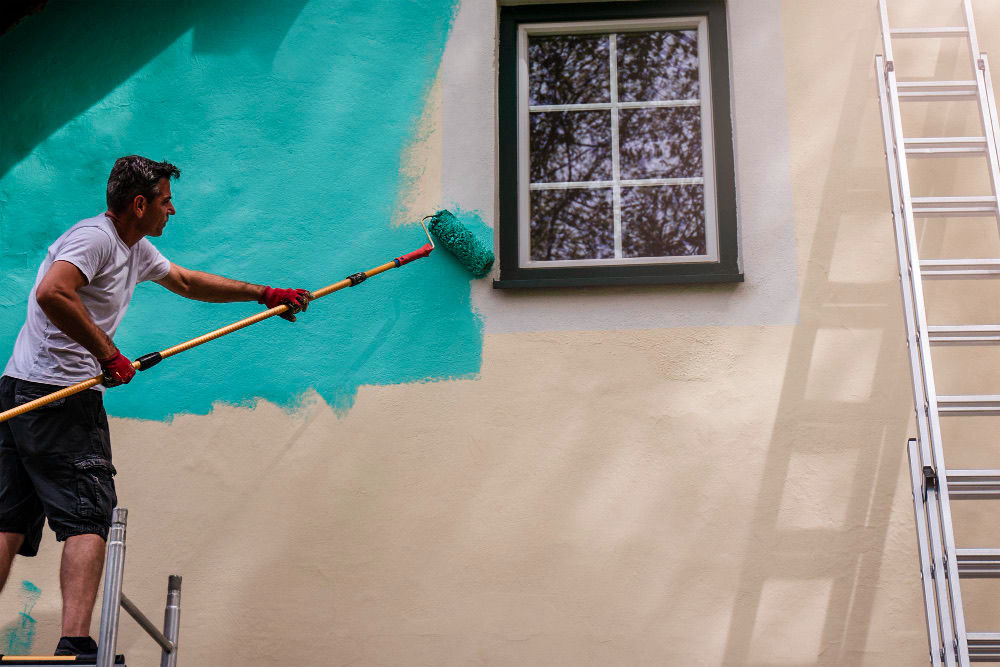
Masonry Wall Painting
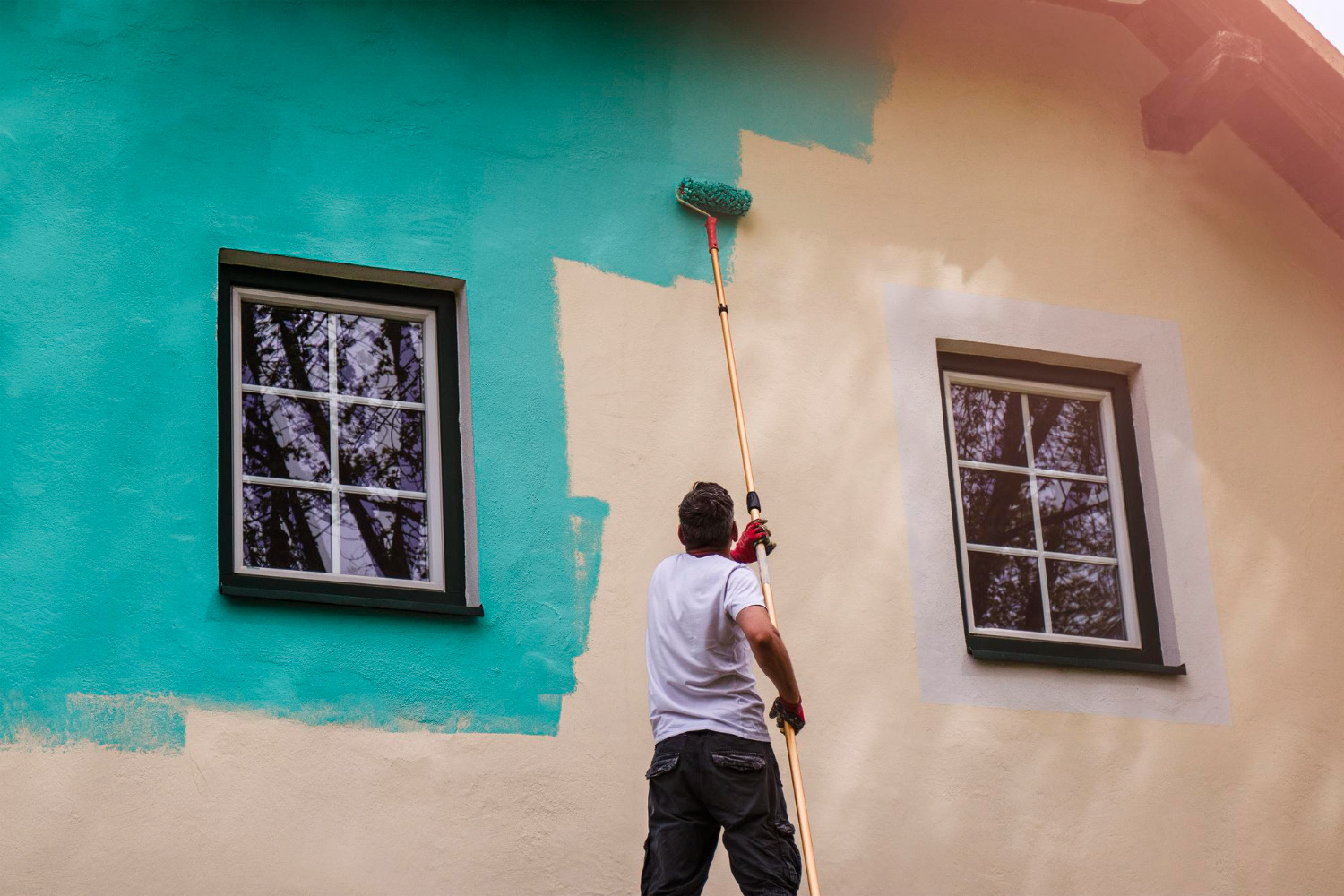
Most masonry painting fails because of the surface preparation or the type of paint used. The paint is connected to the type of masonry surface. How the masonry was built and maintained will define what you must do to take appropriate painting precautions. The time to learn about your masonry is before you purchase it, during construction, and never at paint application! The type of masonry will also define what kind of painter to hire. Each of the following surfaces poses different problems for painting. They can be different on different sides of the same building because of exposure to weather conditions or different soil types.
Cleaning techniques, paint types, and application methods must be adjusted according to the variables each surface presents. In addition to the surface qualities of colour, texture, joints, and repointing styles stated above, different types of masonry are used for different purposes. Someone who points a brick veneer masonry wall successfully may not have the skill to plaster a house made of lime-mud walls.
Bricks are clay-based materials that are kiln-fired to develop a ceramic-like microstructure. The significant elements, silicon, aluminium, and oxygen, combine to form a crystalline structure, giving the brick hardness and durability. Specific brick types, such as engineering, face, and refractory, also serve a particular purpose.
As such, the material properties can be tailored to possess qualities complementary to moisture uptake and release. Although the properties of the mortar are related to moisture transport, they are less influenced when compared to the bricks. In turn, water ingress and efflorescence will primarily affect the service lives of brick walls, which are undesirable outcomes. Consequently, bricks become the choice materials to provide the terminal medium for the brick wall, as they can effectively impede the migration of moisture into and out of the wall.
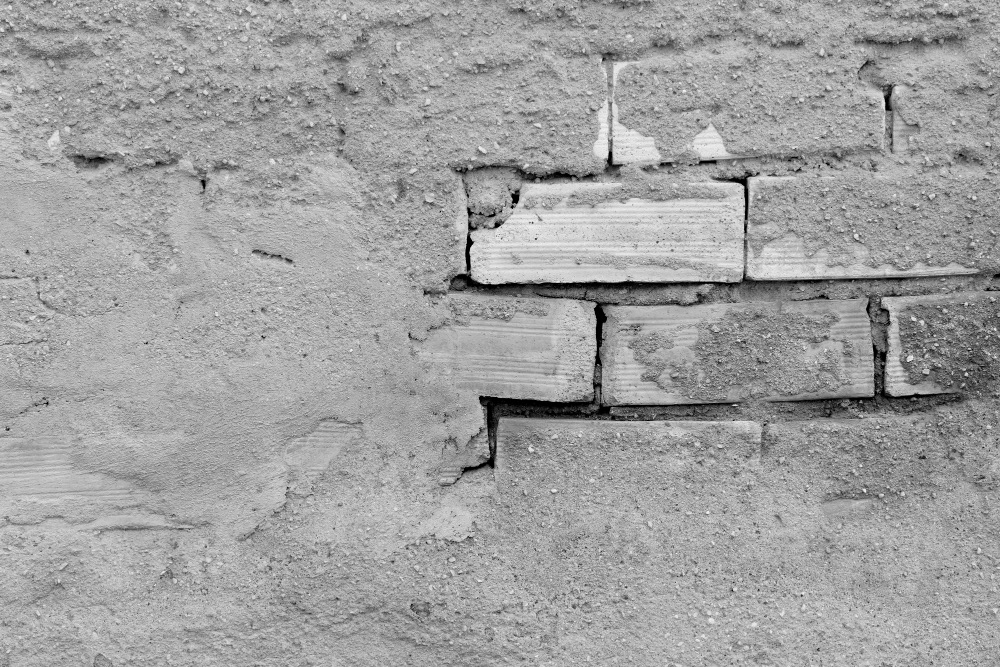
Two common issues with painting concrete are mildew and alkaline pH. To remove mildew, simply scrub with a masonry cleaner. High pH levels in new concrete will prevent the paint from sticking or curing. To ascertain if there is still a high pH level in your concrete, tape a clear plastic bag on the surface of the concrete. If, after 24 hours, the surface fogs, moisture is still moving upwards, and the pH will also be high. To solve the problem, ensure the moisture level is less than 3% and the pH is within a range of 6-9. Test kits are also available to test for pH levels. Primer will be your best friend during the bonding process, as it will adhere to the concrete. Acrylic latex works best on concrete as it is breathable, allowing air to move in and out quickly. Avoid excessive painting of horizontal surfaces. No primer or sealer is necessary on masonry and concrete completed over a year ago. Use a galvanised metal etching solution on concrete aged a month to a year, and then apply the primer afterwards.
Several types of stone are used in construction, each with challenges and opportunities. Limestone, marble, and granite are commonly used in more minor architectural detail work, while larger masonry projects. Rare stone types, incorporating names like perversity, tracing, and riddled stone, are also encountered and are used to set suns into towers. Limestone, marble, and granite present the added challenge of proactively sealing their surfaces within their proper climate windows, preferably repeatedly.
The most common renders are cement-based. Each requires a different paint to ensure longevity and appearance retention.
Contact us if you want your home or business masonry painting by calling 07762 105 340
When applied as part of a render-only finish, masonry paint is traditionally thought of as a finish for the cheapest of new builds or for lower value repair and maintenance jobs. Where impression is important, the finish is either left natural or decorated with mineral silicate paint systems. Despite these perceptions, rendering and masonry painting are an extremely important part of the construction sector, with an estimated 59 million square meters of masonry repainted annually. Expenditure on maintenance and repair of buildings provides work for a variety of occupations, the gainful employment of several hundred thousand construction trades workers, and the masonry repair and maintenance sector has been particularly resistant to significant downturns in workload in both overall construction and during difficult economic times.
The role that colour can play in hiding imperfections within the structure to be surfaced is recognised by artists. Today's tradesman uses masonry finishes in the same way within the construction sector. The availability of many off-the-shelf multi-coloured specialist coatings in differing sizes exerts significant price pressure on a traditional trade that has witnessed very little movement in productivity. The perception of the performance of today's affordable domestic coatings, some with very limited performance levels, is lessened with the benefit of few suitable scientific criteria with which to judge the differences offered by varying painting methods.
Looking to enhance your home or commercial property's appearance? Contact our expert team today for professional painting services tailored to your needs.
Call us on 07762 105 340
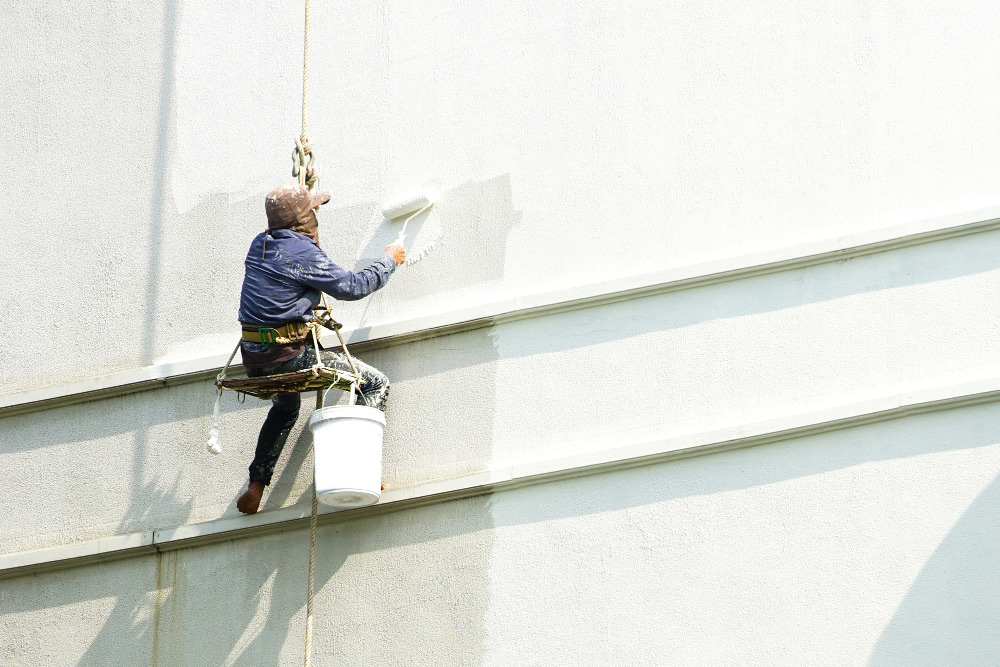
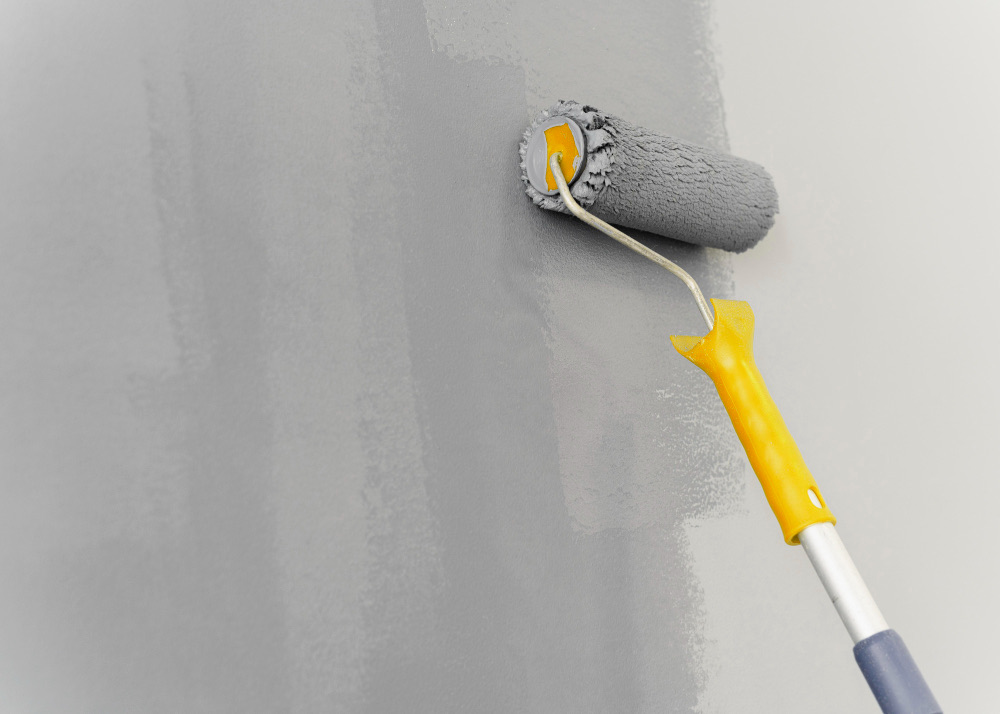
Masonry painters in the UK
Weather in the UK is dramatic, often windy, and the source of sudden temperature changes, with rain being the most common form of precipitation. A house in the UK is painted to protect the external walls on the first floor and above from decay due to the action of rain, frost, and pollution; low down, walls are instead damaged by splashing from heavy rain, dirt spread by pets or vermin, and gardening or building operations. Many houses in the towns and countryside have been built of solid masonry walls. The properties of these masonry walls are a function, and they change with the composition and history of the masonry and the microclimate of their location.
The masonry walls are complex, often hand-crafted, three-dimensional structures made of locally sourced typically weathered, and relatively permeable building materials, such as stone, lime, and terracotta. If built using traditional skills and materials, such masonry is durable, as demonstrated by many structures that have survived for thousands of years. Typically, these masonry houses have been painted, traditionally with limewash or distemper, and after oil-based paint in the 19th century, with emulsion, oil, and later water-based paints.
Specification and application of masonry paints, particularly coatings with very different properties, should consider the desired aesthetics for painting the building. Most protective masonry coatings are applied for performance rather than decorative reasons. When aesthetic applications are called for, various paint choices are available. The application technique will influence the selection, the working conditions at the site, and the desired durability. The relative importance of different kinds of aesthetic appeal for masonry paint varies according to geographic location but also depends on the level of paint application technology in a country. For example, self-cleaning properties may be more critical in polluted cities than in rural areas.
The colour and gloss of masonry coatings provide the primary source of aesthetic appeal. The paint protects and decorates the structure and should also harmonise the structure with the surrounding environment. Mineral materials used in presenting a covering, such as brick, fit well into the local environment. Therefore, paint manufacturers have long realised a market for coatings that meet these jobs.
Increased Property Value
Properties that look attractive, well-maintained, and of high quality tend to receive higher bids than those that do not possess desirable features. Painting and decorating are essential for upkeep and maintenance as they protect the masonry facade from long-term exposure to the weather.
This is particularly relevant given that masonry construction gains significant character from its external facades in terms of architectural and historical townscape qualities. A well-painted facade likely represents a maintained property by sending signals to observers about previous owners' behaviour or expectations about future owners' actions. It can be detrimental because of the negative externalities of poorly maintained properties. Such results suggest that reinstating visual quality and reducing visible neglect, pursuing specific policy interventions and incentives, and targeting already motivated homeowners for action can restore other properties in neighbourhoods as well. The positive impacts of masonry paint on property value may also be promoted through garden services, tree planting, and other facade management services that employ professional services and enhance pedestrian and neighbourhood safety.
Contact us on 07762 105 340